


-

Add: HeBei ShengShi HongBang Cellulose Technology CO.,LTD.
-

Email
13180486930@163.com -

CONTACT US
+86 13180486930
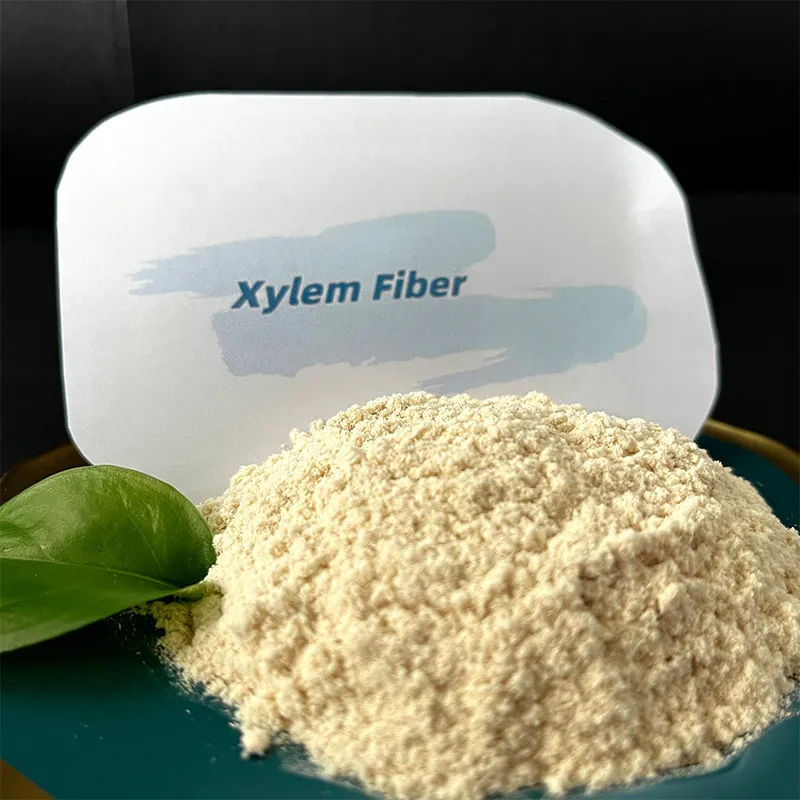


Understanding Wood Composition Cellulose, Hemicellulose, and Lignin Wood is a remarkable natural material that has been utilized by humans for thousands of years, primarily due to its mechanical properties and abundance. Its structure is complex, consisting predominantly of three main biopolymers cellulose, hemicellulose, and lignin. Each of these components plays a critical role in the characteristics and functionalities of wood, making them essential to understand for applications in construction, paper production, biofuels, and more. Cellulose The Backbone of Wood Cellulose is the most abundant organic polymer on Earth and constitutes a significant portion of wood, accounting for about 40-50% of its dry weight. Structurally, cellulose is a linear chain of glucose molecules linked by β-1,4-glycosidic bonds, forming long, strong fibers that provide tensile strength and rigidity to the wood. This strength is crucial for trees, allowing them to grow tall and withstand various environmental stresses. The molecular structure of cellulose enables it to form hydrogen bonds with adjacent cellulose chains, resulting in a crystalline structure that contributes to the hardness and mechanical strength of wood. This feature is why cellulose is extensively used in the paper industry, as it can be processed into high-strength paper products. Furthermore, the properties of cellulose allow for its use in producing renewable materials like bioplastics and composites, aligning with the global trend toward sustainability. Hemicellulose The Support Structure Hemicellulose constitutes about 15-35% of wood's composition. Unlike cellulose, hemicellulose is not a single polymer but a group of heterogeneous polysaccharides with various sugar monomers, including xylose, mannose, and galactose . Hemicellulose is branched, making it less crystalline and more soluble in water compared to cellulose. This structural variance gives hemicellulose significant functional roles in wood. wood composition cellulose hemicellulose lignin Hemicellulose serves as a support structure that complements cellulose, filling the spaces between cellulose fibers and enhancing the overall integrity of the wood. It also plays a crucial role in the binding of cellulose fibers together, contributing to the wood's elasticity and flexibility. In addition, hemicellulose is important during the pulping process in paper manufacturing, as it can be partially removed to improve the quality of the final product. Lignin The Reinforcement Lignin is the most complex and largest component of the wood structure, accounting for about 20-30% of its weight. It is a polyphenolic compound that serves to waterproof and harden the cell walls of wood, contributing to its rigidity and resistance to decay. The unique structure of lignin, which is irregular and highly cross-linked, helps to bind cellulose and hemicellulose together, further reinforcing the wood’s mechanical properties. Lignin’s ability to protect the wood from microbial attack and its role in the water transport system of trees make it vital for plant health and growth. Furthermore, lignin is gaining attention in biorefinery processes as a potential renewable resource for producing biofuels, chemicals, and even biodegradable polymers. Its abundant presence in lignocellulosic biomass makes it a key player in advancing sustainable materials and energy solutions. Conclusion In summary, the wood composition of cellulose, hemicellulose, and lignin plays a pivotal role in defining the material’s physical and chemical properties. Understanding these components not only deepens our appreciation of wood as a natural resource but also opens the door to innovative applications in various industries. As we continue to seek sustainable alternatives to synthetic materials, the insights gained from the study of wood composition will undoubtedly shape the future of material science and environmental stewardship.
- 40000tons

Production
- 20+years

Experience
- 5000+㎡

Acreage

-
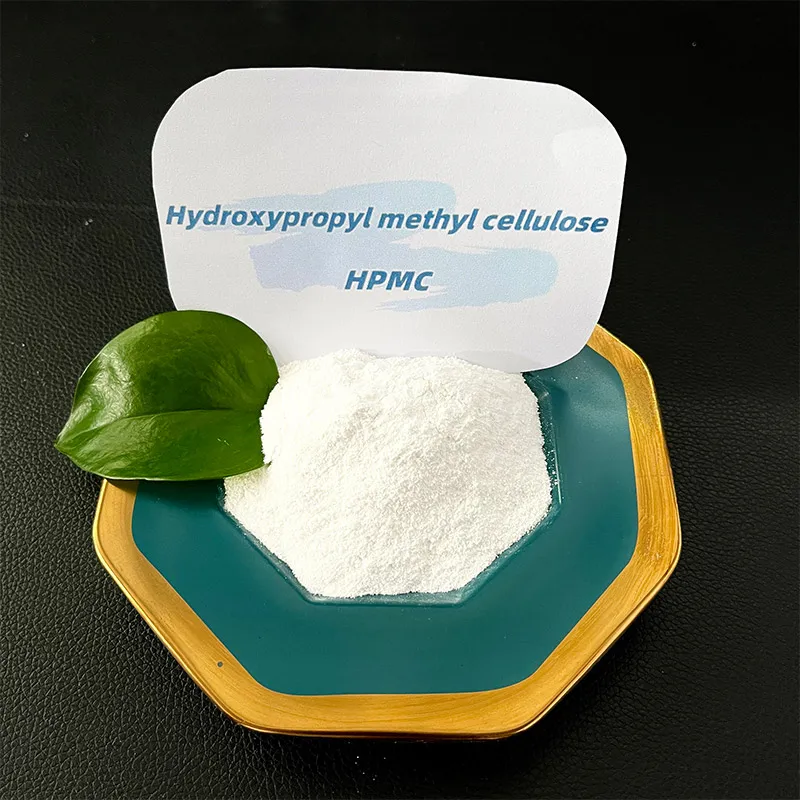
The Emergence of Wood Pulp Fiber A Sustainable Alternative In recent years, the pursuit of sustainable materials has gained significant momentum, leading to innovative solutions in various industries, from textiles to construction. One such innovation is wood pulp fiber, a versatile material derived from the decomposition of wood into its fibrous components. As societies become increasingly aware of the environmental impacts of conventional materials, wood pulp fiber stands out as an eco-friendly alternative that offers numerous benefits. Understanding Wood Pulp Fiber Wood pulp fiber is primarily extracted through the pulping process, where wood logs are processed to separate cellulose fibers from lignin and hemicellulose. This process creates a raw material that can be transformed into a range of products, including paper, textiles, and biodegradable plastics. The most common types of wood used for pulp are softwoods such as pine and fir, which are favored for their long cellulose fibers that contribute to strength and flexibility. Environmental Benefits One of the most compelling advantages of wood pulp fiber is its sustainability. As it originates from trees, a renewable resource, the lifecycle of wood pulp products can be much shorter compared to synthetic fibers like polyester, which are derived from petroleum. Furthermore, responsibly sourced wood pulp contributes to forest health by promoting sustainable forestry practices that ensure trees are replanted, preserving biodiversity, and maintaining carbon sequestration. The Emergence of Wood Pulp Fiber A Sustainable Alternative Versatility Across Industries fibra hecha de pulpa de madera The versatility of wood pulp fiber makes it an attractive alternative for various applications. In the textile industry, wood pulp can be converted into lyocell or modal fabrics, which are not only soft and breathable but also produced in a closed-loop process that significantly reduces water pollution compared to conventional cotton production. These fabrics are gaining popularity in fashion due to their comfort, environmental credentials, and stylish finish. In the packaging sector, wood pulp fiber is paving the way for biodegradable packaging solutions. As consumers demand more sustainable packaging options, wood pulp provides a solution that can help reduce the environmental footprint of e-commerce, food delivery, and retail packaging. Challenges and Future Outlook Despite its numerous advantages, the adoption of wood pulp fiber is not without challenges. The availability of sustainably sourced wood can sometimes limit production, and the technology for processing wood into fiber continues to evolve. However, as awareness and demand for sustainable materials rise, investment in research and development is likely to accelerate, opening new avenues for efficient production methods and innovative uses for wood pulp fiber. Moreover, as regulatory frameworks continue to support sustainable practices and combat climate change, wood pulp fiber stands on the brink of becoming a mainstream material in various industries. Companies are recognizing the importance of aligning their supply chains with sustainability goals, making wood pulp fiber an attractive option that meets consumer demand for eco-friendly products. Conclusion Wood pulp fiber represents a promising shift towards sustainability, offering an environmentally friendly alternative to traditional materials across diverse industries. Its biodegradable nature, coupled with the potential for sustainable production, positions it as a key player in the movement towards a greener future. As both consumers and manufacturers increasingly prioritize sustainability, wood pulp fiber could very well become a staple in our daily lives, supporting a healthier planet for generations to come.
-

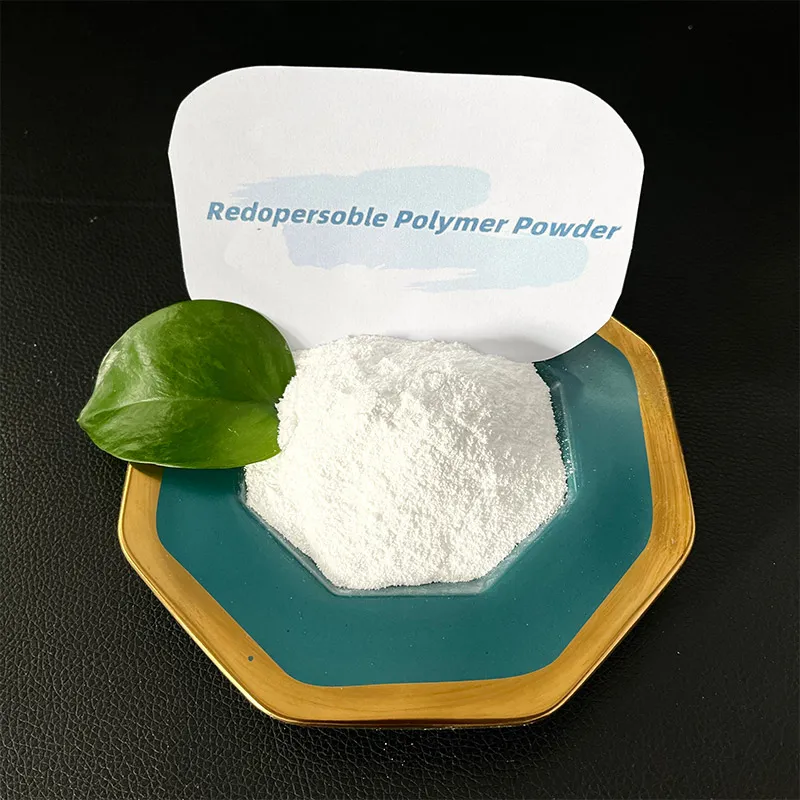
Hydroxypropyl Methylcellulose (HPMC) has become an indispensable component in various industries due to its unique properties and versatility. The specific variant, HPMC K15, has carved out a niche in applications that require high-performance cellulosic polymers. This article delves into the sophistication and practical applications of HPMC K15, offering firsthand experience from professionals, expert insights, and authoritative perspectives to enhance trust and understanding of this remarkable polymer. HPMC K15 is renowned for its ability to act as a thickener, binder, film former, and stabilizer. This versatility is showcased in industries such as pharmaceuticals, construction, and food processing. With over two decades in the materials science industry, I have observed the significant transformations that HPMC K15 has brought to product formulations. My experience confirms that its integration into products enhances their performance, particularly in challenging environments. One of the defining attributes of HPMC K15 is its remarkable solubility and stability across a range of temperatures. It retains its properties irrespective of environmental conditions, making it a reliable choice for manufacturers. In the construction industry, HPMC K15 is used extensively as a key ingredient in dry mix mortars, tile adhesives, and plaster. Its role is crucial; it imparts workability to the mix, optimizing the application process and improving overall productivity. The adhesion strength provided by HPMC K15 ensures that tiles and plasters remain intact over time, enduring diverse climate conditions. In pharmaceuticals , HPMC K15 is pivotal in drug formulation, particularly in controlled-release medication. It acts as a hydrophilic matrix, regulating the release of active ingredients and ensuring patient safety and efficacy of the drug. My collaboration with pharmaceutical firms has underscored the reliability of HPMC K15 in maintaining drug stability and consistency, critical factors that are instrumental in achieving regulatory approval. From an authoritative perspective, studies consistently highlight the non-toxic and biocompatible nature of HPMC K15, backed by rigorous testing and peer-reviewed research. These characteristics not only ensure compliance with health and safety standards but also provide a sustainable option for industries aiming to reduce their ecological footprint. Furthermore, being derived from natural cellulose enhances its appeal in a market increasingly leaning towards eco-friendly solutions. hpmc k15 Experts in the field of material science laud HPMC K15 for its unparalleled balance of cost-effectiveness and performance capabilities. Its ability to modify viscosity without altering other vital characteristics of the end product is a significant advantage. This allows manufacturers to tailor their products according to specific needs, further pushing the envelope of innovation and quality. Additionally, its application in the food industry as a thickening and emulsifying agent ensures that consumer expectations for texture and consistency are met, offering a competitive edge to food producers aiming to deliver superior quality goods. Trust in HPMC K15's performance is reinforced through continuous research and development, spearheaded by leading material scientists and technologists. Collaborations between academic institutions and industry leaders have resulted in constant enhancements, ensuring that HPMC K15 meets the ever-evolving requirements of diverse applications. In summation, Hydroxypropyl Methylcellulose K15 is more than just a polymer; it is a cornerstone of innovation and efficiency across various sectors. Its proven track record in enhancing product quality and its sustainable nature make it an invaluable asset. As industries continue to evolve and adapt, HPMC K15 stands out as a reliable ally, ensuring that products not only meet standards of excellence but also contribute to a more sustainable future.
advantages
-

200000 Viscosities
Excellent product
We can produce pure products up to 200,000 viscosities
-

40000 tons
High yield
We don’t stop production all year round, and the annual output can reach 40,000 tons
-

24 hours
Quality service
We provide 24-hours online reception service, welcome to consult at any time
———— Inquiry Form
Schedule A services
-
 hpmc_side_effects
Oct . 25, 2025
The Importance of Wood Cellulose in Modern Applications Wood cellulose, an organic compound derived - hpmc_safety
Oct . 25, 2025
Hydroxypropyl methylcellulose, abbreviated as HPMC, is revolutionizing various industries due to its -
 hydroxypropyl_methylcellulose_thickener
Oct . 25, 2025
Hydroxypropyl Methyl Cellulose Ether Applications and Benefits Hydroxypropyl methyl cellulose ether


